
Creative Operations Transformation
A Creative Sprint That Changed How Teams Work—and How Clients Approve
Our creative team offered 3 rounds of back-and-forth copywriting edits, followed by 3 rounds of design edits. Feedback arrived piece by piece, so each update moved slowly and clients reviewed individual elements without seeing the full campaign.
Long approval times compounded the problem. We could not sustain both the volume of work and the creative strength of the campaigns without changing how the work moved.
I changed the process so clients could see the full picture together, rather than approve disconnected pieces in isolation. Discovery brought their knowledge of the participants into the work early; the creative review meeting showed how the campaign connected from beginning to end.
Clients felt involved and developed pride of ownership. Instead of receiving another round of files to mark up, they could recognize their input in a complete campaign. That shared understanding changed the approval experience.
A process diagram alone would not change the way the team worked. I developed the approach, presented it at the marketing strategic meeting, secured the okay, and implemented it. Alongside that work, I joined the board developing and implementing Wrike company-wide.
The process deck made the operating expectations visible: who led each project, how copy and design collaborated, when product and production joined, and where decisions and approvals happened. Its February 2024 presentation reintroduced the team and reinforced the process for both new and existing colleagues—it was not the original launch.
The weekly critique created a space for designers to explain their intentions, ask questions, and improve the work together. Feedback focused on quality and consistency rather than prescribing every design decision.
Client discovery and participant journey mapping connected those decisions to the people receiving the campaign. The retrospective then brought accomplishments, roadblocks, solutions, and improvements back into the next project. The structure supported creative judgment instead of replacing it.
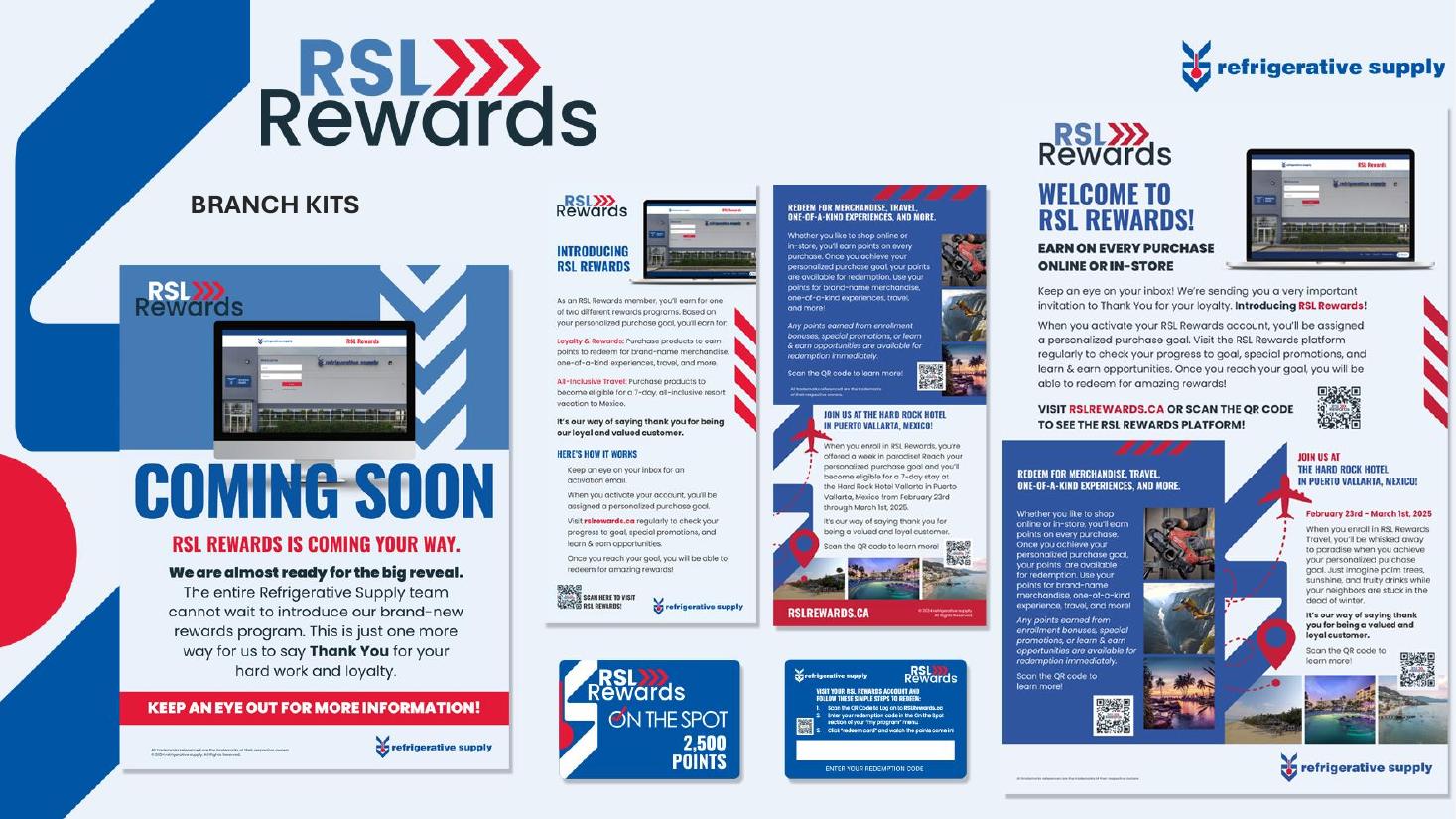
The deck uses RSL Rewards to carry the process from client discovery and audience journey mapping into a complete campaign review. Branch kits, activation materials, and welcome series for the loyalty and travel audiences are presented as connected experiences.
Here, those materials demonstrate how a campaign moves through the workflow. The separate RSL Rewards case study explores the creative challenge of speaking to two audiences within one program.
The Creative Sprint, meeting by meeting
Week 1
Campaign Kickoff
Understand the client, the audience, and the brief before any creative starts. The gold star of the process: clients feel ownership, trust the team, and production runs more efficiently.
Initial Kickoff
Program Manager Kickoff
- Creative brief
- Creative turnover in Wrike
- Creative direction starts: statement of work notes, marketing strategy, participant journey mapping, brand dissection
- Moodboard + brand assets
Client Discovery
Client + Creative Discovery Session
- Brainstorm with the client
- Listen to how the client talks about participants—they know them best
- Map the journey each audience takes: sales team, branch managers, loyalty and travel participants
Weeks 2–5
Creative Kickoff
Research, write, design, and review the campaign as one connected story—thoughtful creativity with emotional details placed throughout the journey.
Phase One
Creative Kickoff Meeting
- Creative team meeting
- Assign lead creatives along with support
- Meet with the product team
- Meet with the production team
Creative Sprint Kick-off Meeting
New project · variable
Inform the whole creative team of the new project: brief, timeline, production, and who owns which tasks.
- Project Kickoff· 10–20 minWho is the client, what we know so far, top priorities from discovery.
- Creative Brief· 15–30 minWalk through the creative brief.
- Asset Review· 10–20 minWhat we need from the PM and what we need to produce.
- Marketing Plan· 20–40 minEvery task in the marketing plan and what this sprint covers.
- Wrap Up· 5–10 minWho is on the project (designer + copywriter) and the action items.
Phase Two
Research Phase
- Copy + design research time: the client and the client's brand
- Moodboarding
- Copywriting phase
Phase Three
Design Phase
- Final copy posted (if needed)
- Designer in full design mode
- Midweek critique with designers: feedback and iterations
Weekly Design Critique
Wednesdays · 1 hour
A designers-only space to share work, think critically about decisions, and raise quality and consistency—not to prescribe solutions.
- PresentationsEach designer gets 10 minutes to present what they're working on.
- Feedback SessionWhat needs improving? What works?
- Action ItemsWhat came out of the meeting and the next steps.
Phase Four
Review Phase
- Internal review meeting
- Internal edits (if needed)
- Client presentation meeting—the full campaign at once
- Post-meeting file approval upload
- Client edits + final approvals
Weeks 6–7
Production Phase
Move approved creative into coordinated digital and print delivery, then learn from it before the next sprint.
Production
Production Phase Kickoff Meeting
- Launch planning
- Data
- Digital + print production timeline
- Q&A
- HubSpot testing period
- Print production proofing period
Close
Creative Retrospective Meeting
Creative Retrospective
Look back on the project with the PM, client marketing manager, and anyone else who should be part of it.
- Team AccomplishmentsWhat updates do you want to share with the team?
- RoadblocksWhat did you run into?
- SolutionsHow will we solve them?
- ImprovementsHow can we improve as a team or process?
- OpportunitiesWhat future opportunities are you excited about?
Repeat →
I developed and led the Creative Sprint Process, presented it at our marketing strategic meeting, and implemented it after receiving approval. I also served on the board developing and implementing Wrike across the company. My contribution was the operating structure: how people collaborated, how creative was reviewed, and how work moved into production—not a visual identity system.
- Development and leadership of the seven-week Creative Sprint Process
- Presentation of the process to secure approval at the marketing strategic meeting
- Implementation of the new creative workflow
- Full-campaign creative review in place of fragmented client feedback
- Company-wide Wrike development and implementation board participation
- Creative direction within a repeatable, collaborative operating structure
The improvements I reported were 40% faster delivery and 30% better collaboration efficiency. Client approvals shifted from long waits to almost immediate decisions when clients saw the full campaign and felt ownership of it. The review meeting became a standout success. The 2023 figures below describe team output, not results attributed to the workflow alone.
Better approvals started with a shared picture of the work.
The biggest change was not simply fewer edits. It was giving clients a complete campaign they could understand, contribute to, and feel proud of.
That is how I think about creative operations: build enough structure to protect the team's craft, make collaboration meaningful, and keep the work moving without losing what makes it good.
Creative Sprint Process: 7-week structured methodology
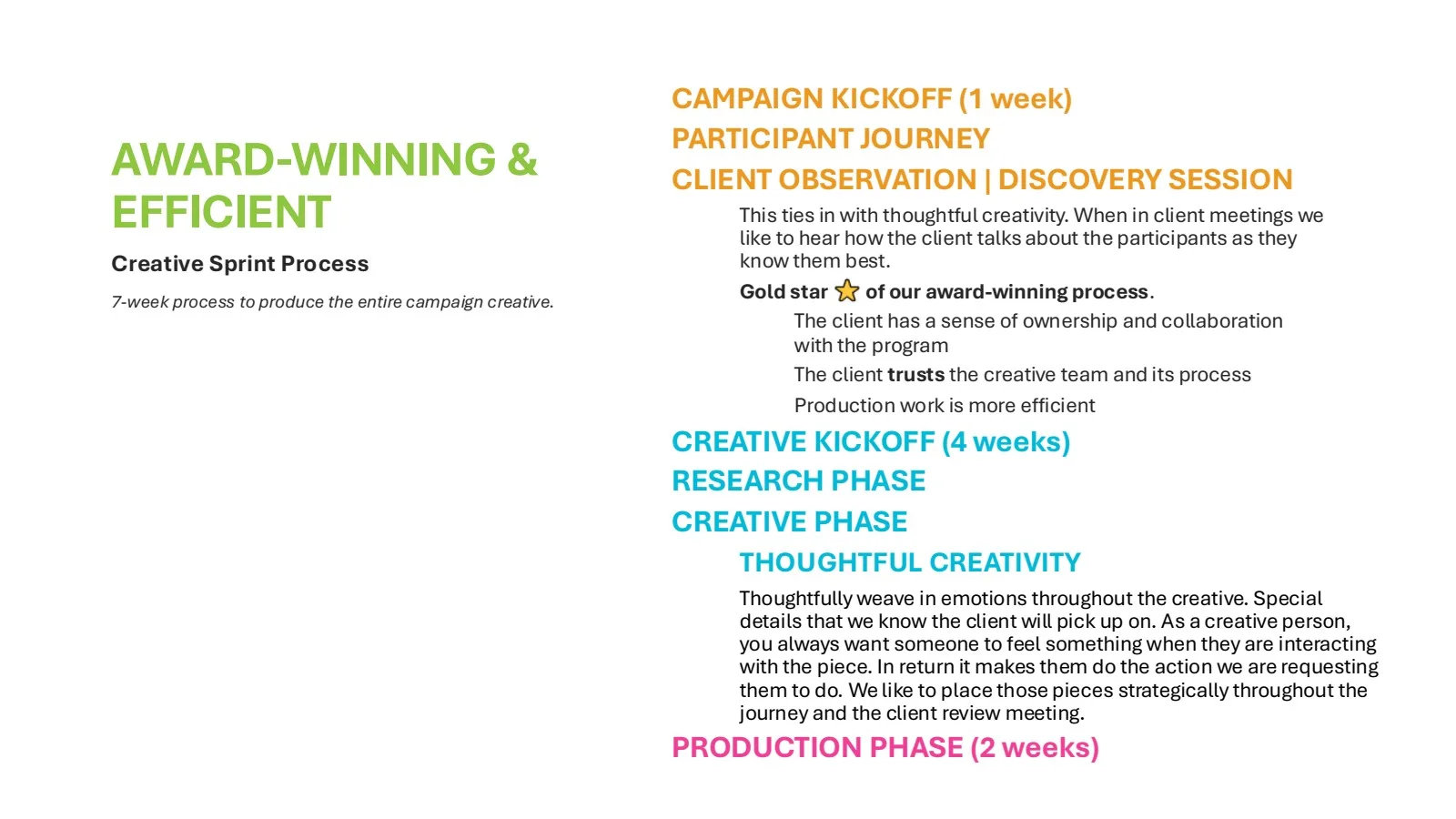
Award-winning process breakdown: Campaign Kickoff, Creative Phase, and Production
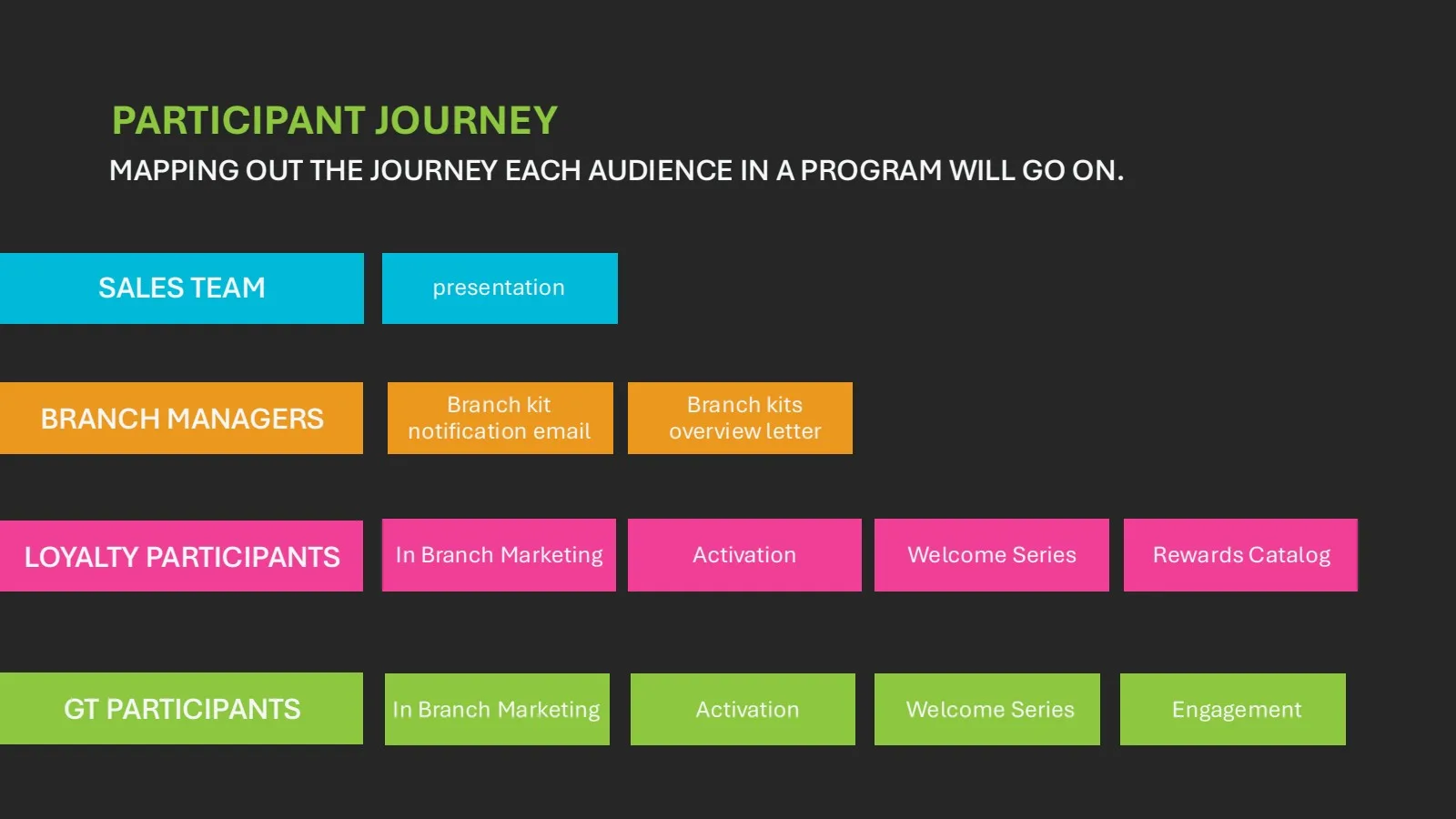
Participant journey mapping for different program audiences
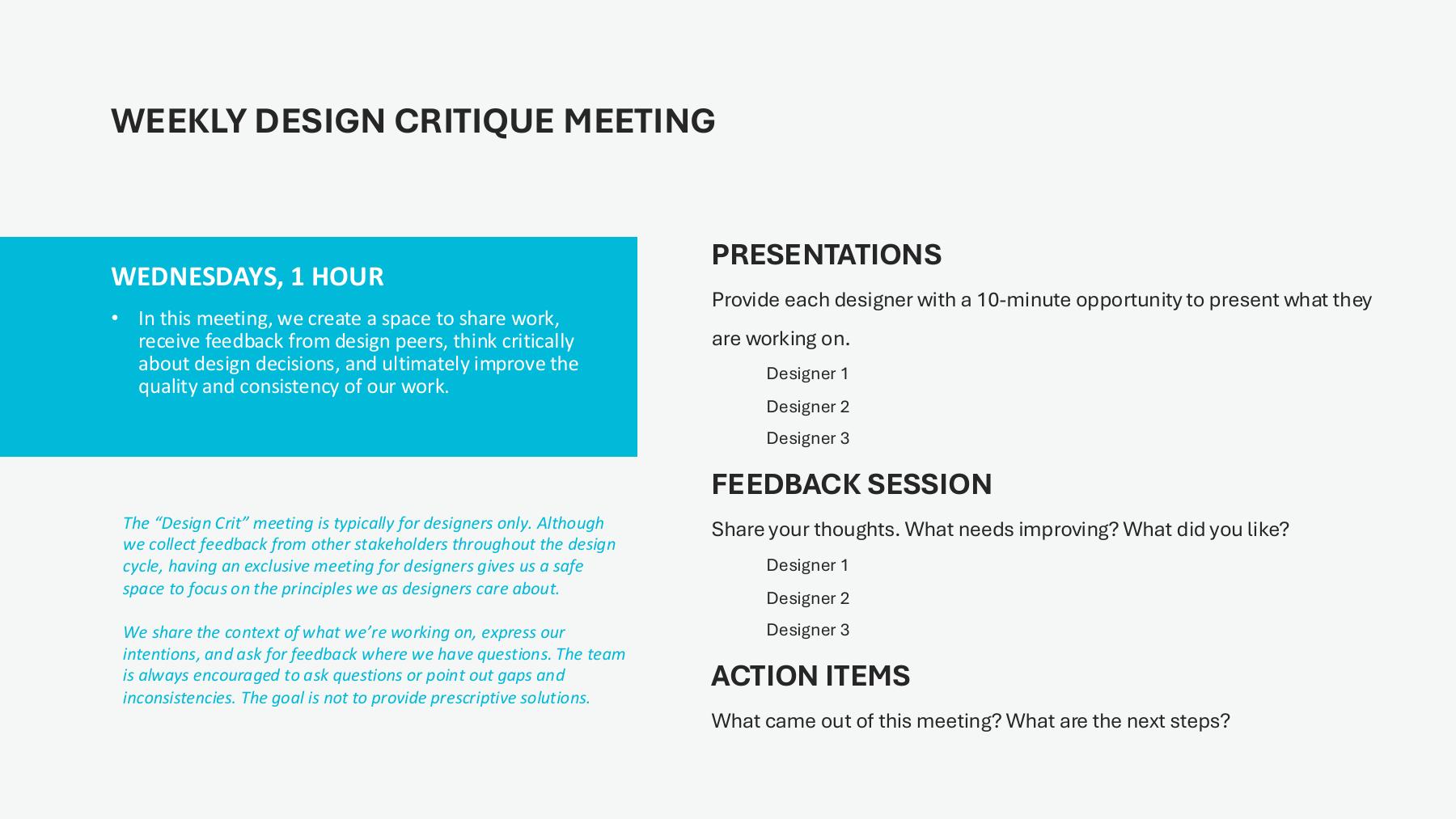
Weekly critique: share context and intent, invite peer feedback, and agree on next steps
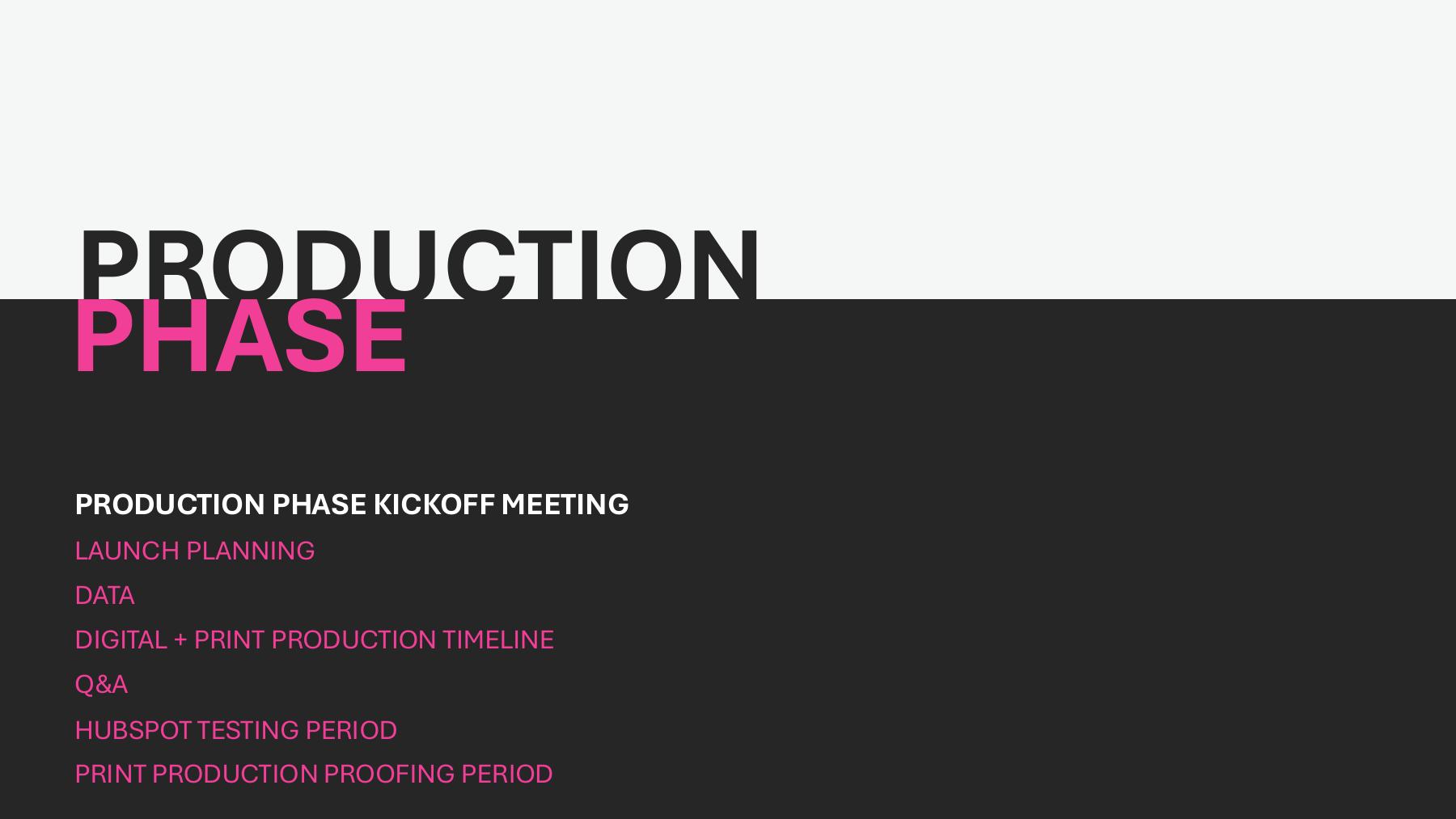
Production kickoff: launch planning, data, digital and print timelines, HubSpot testing, and print proofing
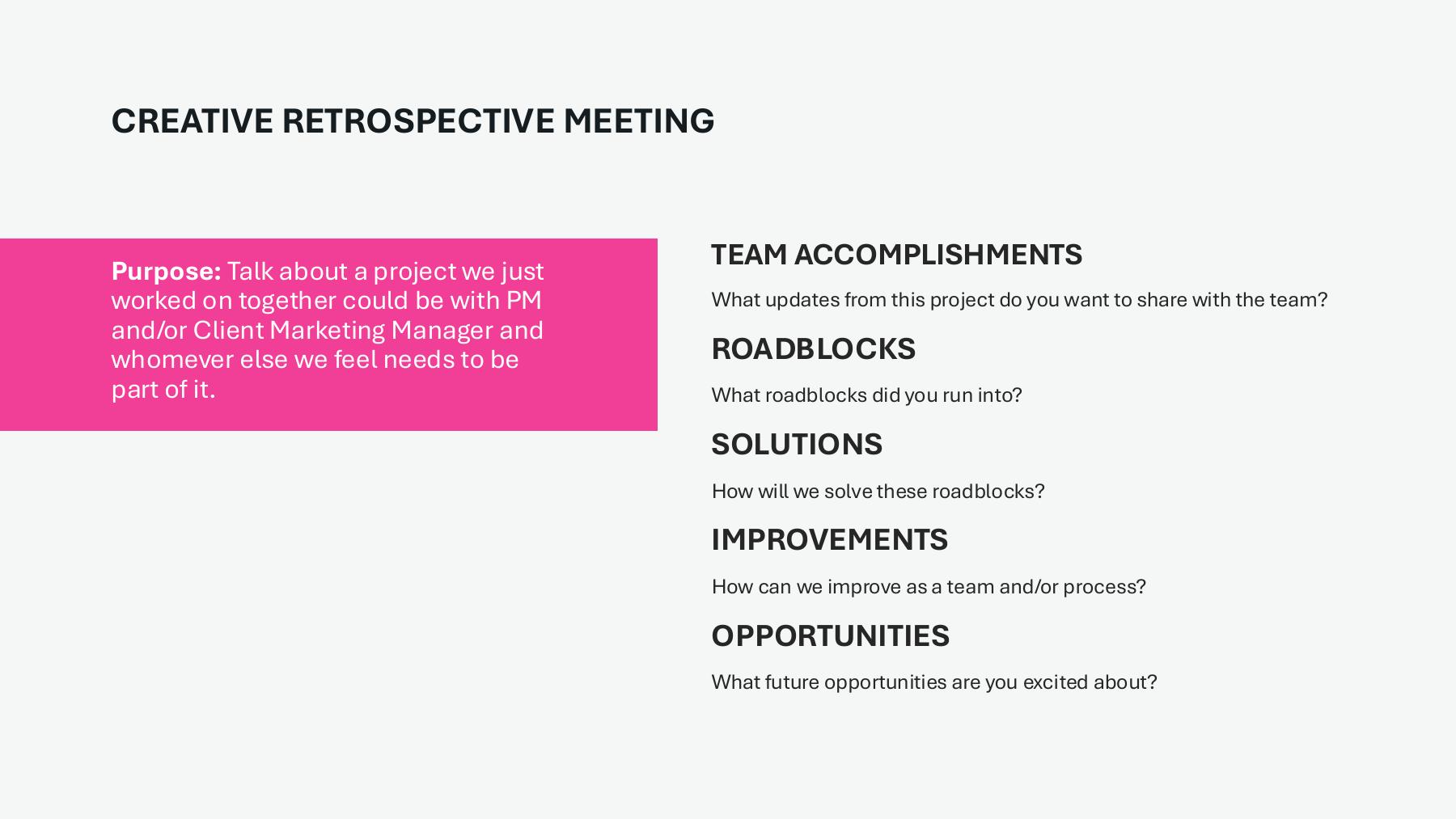
Retrospective: accomplishments, roadblocks, solutions, improvements, and future opportunities
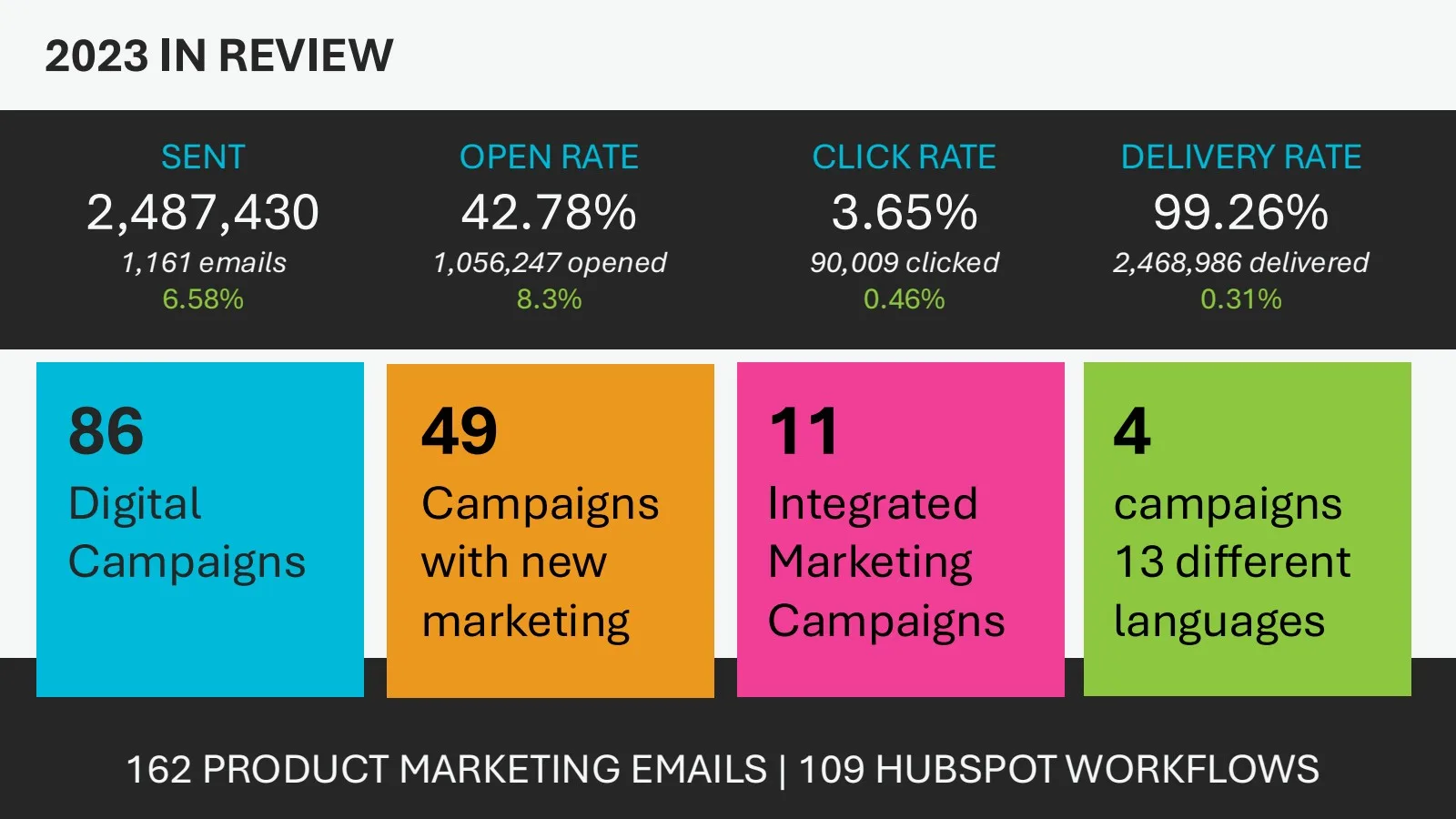
2023 team reporting: 86 digital campaigns, 2,487,430 email sends, and 109 HubSpot workflows; team output rather than workflow-only attribution
The team reported 52 creative awards since 2020. This is cumulative recognition for the creative work, not an award count for the workflow itself.

Contact
Let's Connect
I'm always open to discussing new opportunities, creative collaborations, or just connecting with fellow storytellers and leaders.
© 2026 Jamie Ahlstedt. All rights reserved.